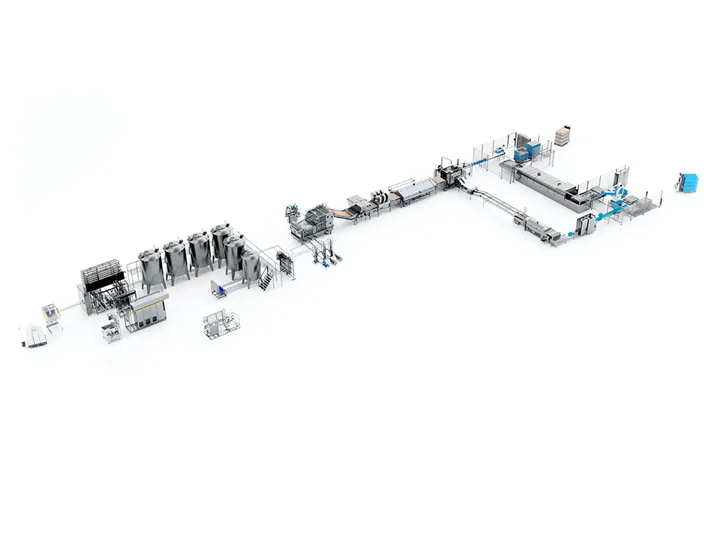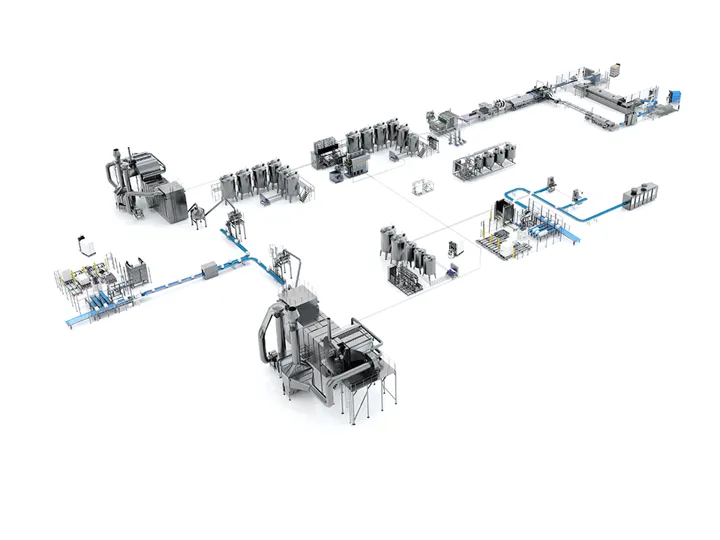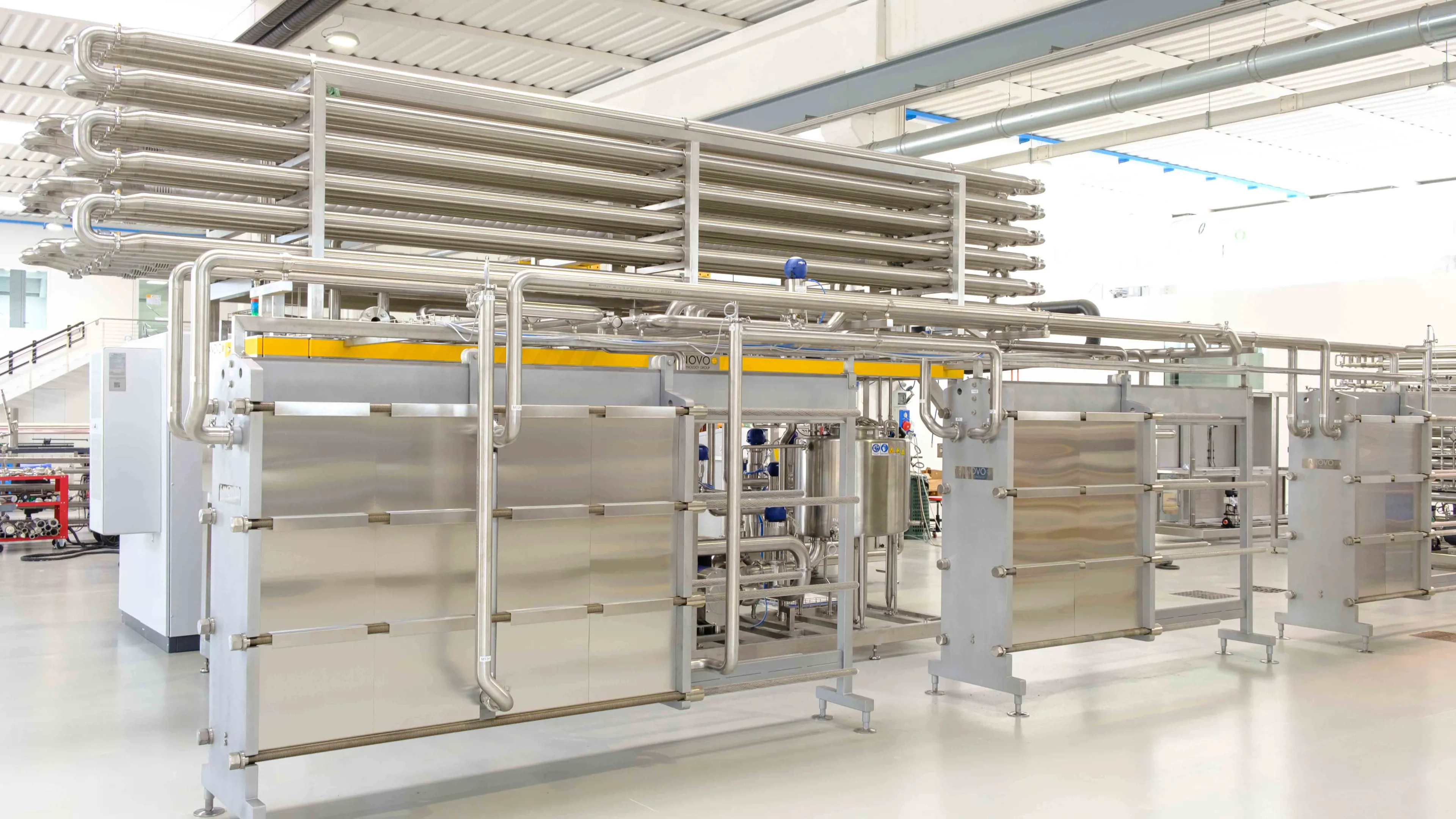
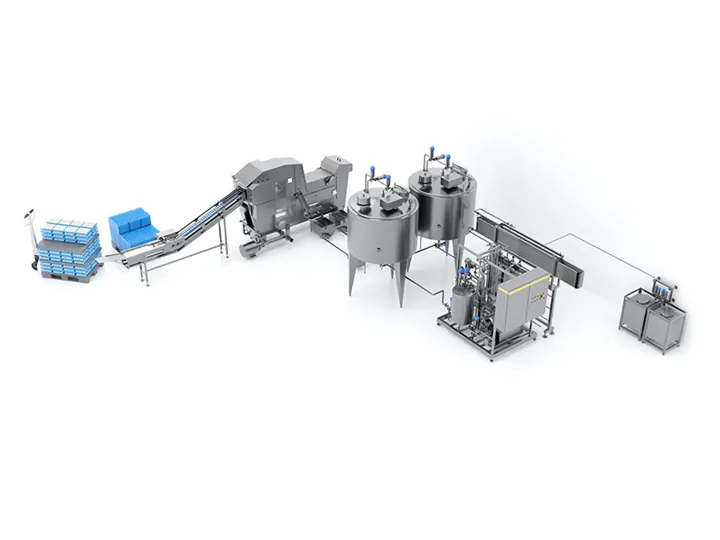
SANOVO egg pasteurizer in an egg processing plant.

What comes after grading?

For many grading businesses, liquid egg processing becomes the next step.

Why grading businesses start looking into processing

As grading operations evolve, liquid egg processing often becomes relevant. Over time, not all eggs can be sold through the fresh market, and relying on a single sales channel can become limiting.

Common drivers include:

  • Better utilization of off-grade eggs that cannot be sold through retail
  • Creating an additional revenue stream beyond the shell egg market
  • Reducing dependence on a single market through a more diversified business
  • Accessing new customers in industry and foodservice

It’s not a step every grading business takes, but for many, it becomes a natural next consideration.
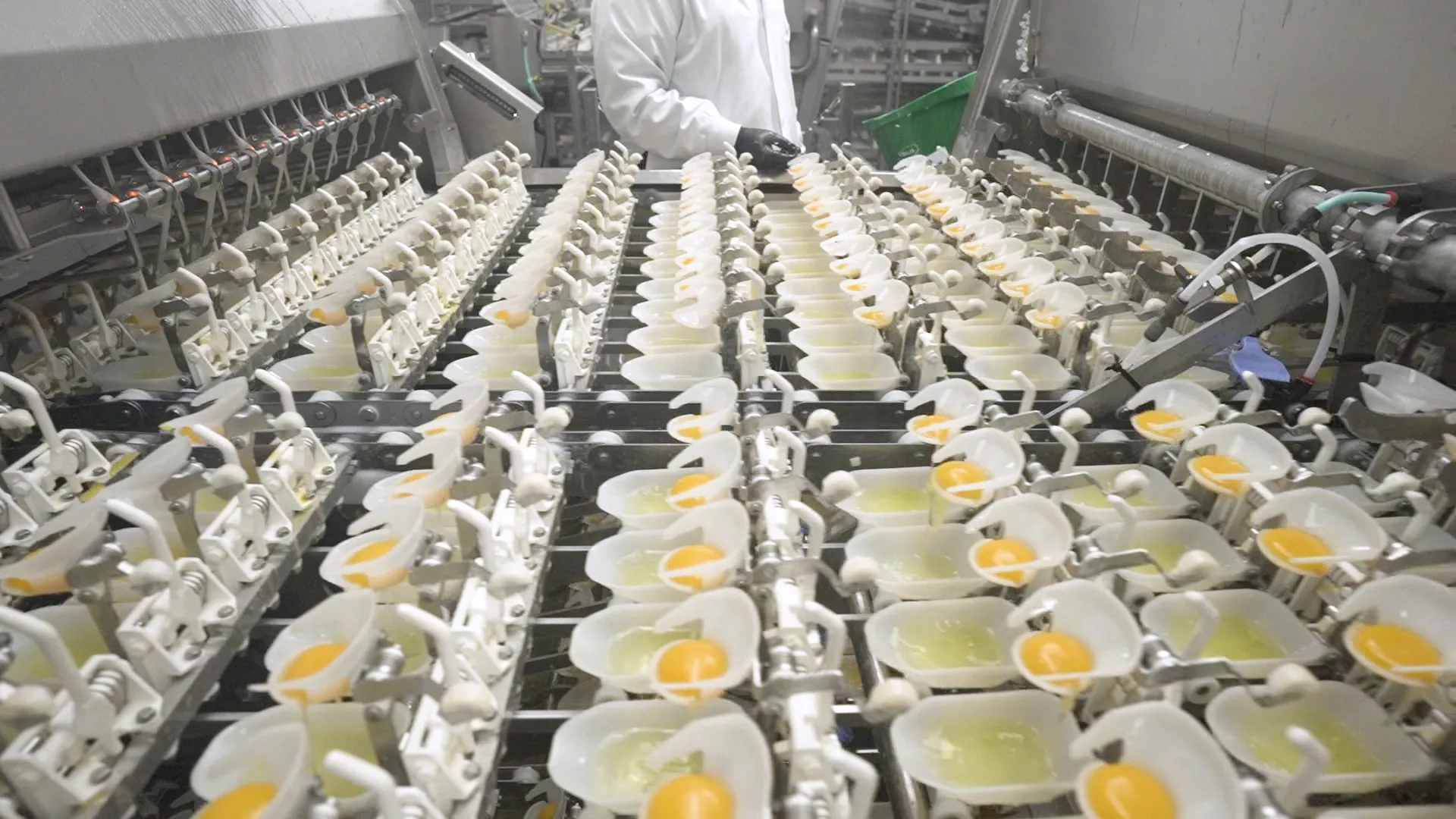
Optimized egg yolk cups on automated egg breaker line ensuring precise yolk and white separation.

Learn the basics of liquid egg processing

Get a clear introduction to how liquid egg processing works in practice — from breaking and separation to pasteurization and handling. Watch the first episode of our Liquid Egg Processing Academy to understand the process step by step. Want to go deeper? Sign up to access the full series and learn more about liquid egg processing.

Sign up for our Liquid Egg Processing Academy

What does liquid egg processing look like in practice?

Liquid egg processing can be adapted to different production volumes and business needs.
Whether starting small or operating at industrial scale, setups are typically designed based on capacity, product type, and level of automation.
Most businesses don’t start at the largest scale. They start with what fits their current operation and grow from there.

Considering liquid egg processing?

We are happy to share how other egg businesses approach the step from grading to processing, and what to consider along the way. Contact a SANOVO expert 👇